Introducing SAF’s 2024–2025 Mollie Beattie Visiting Scholars
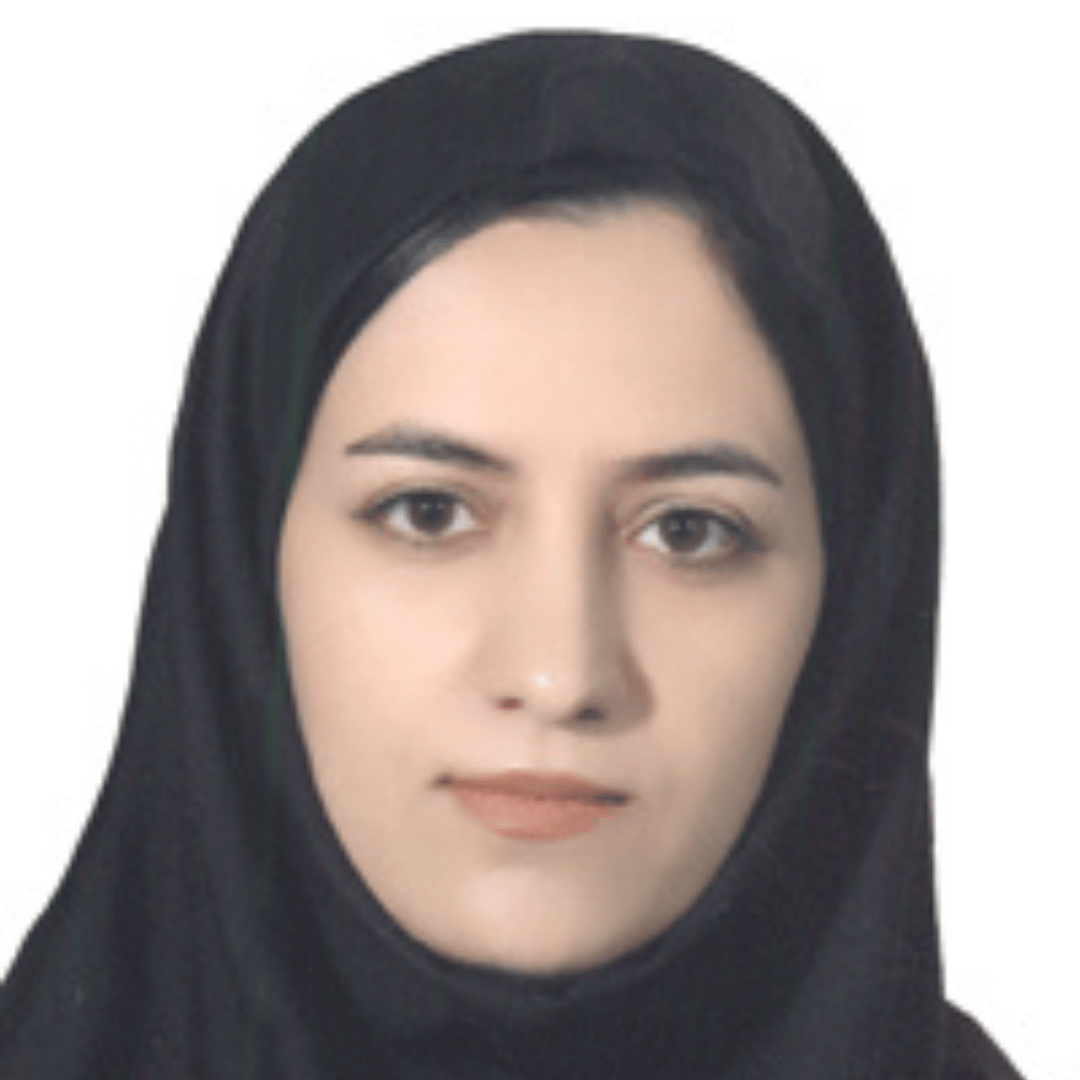
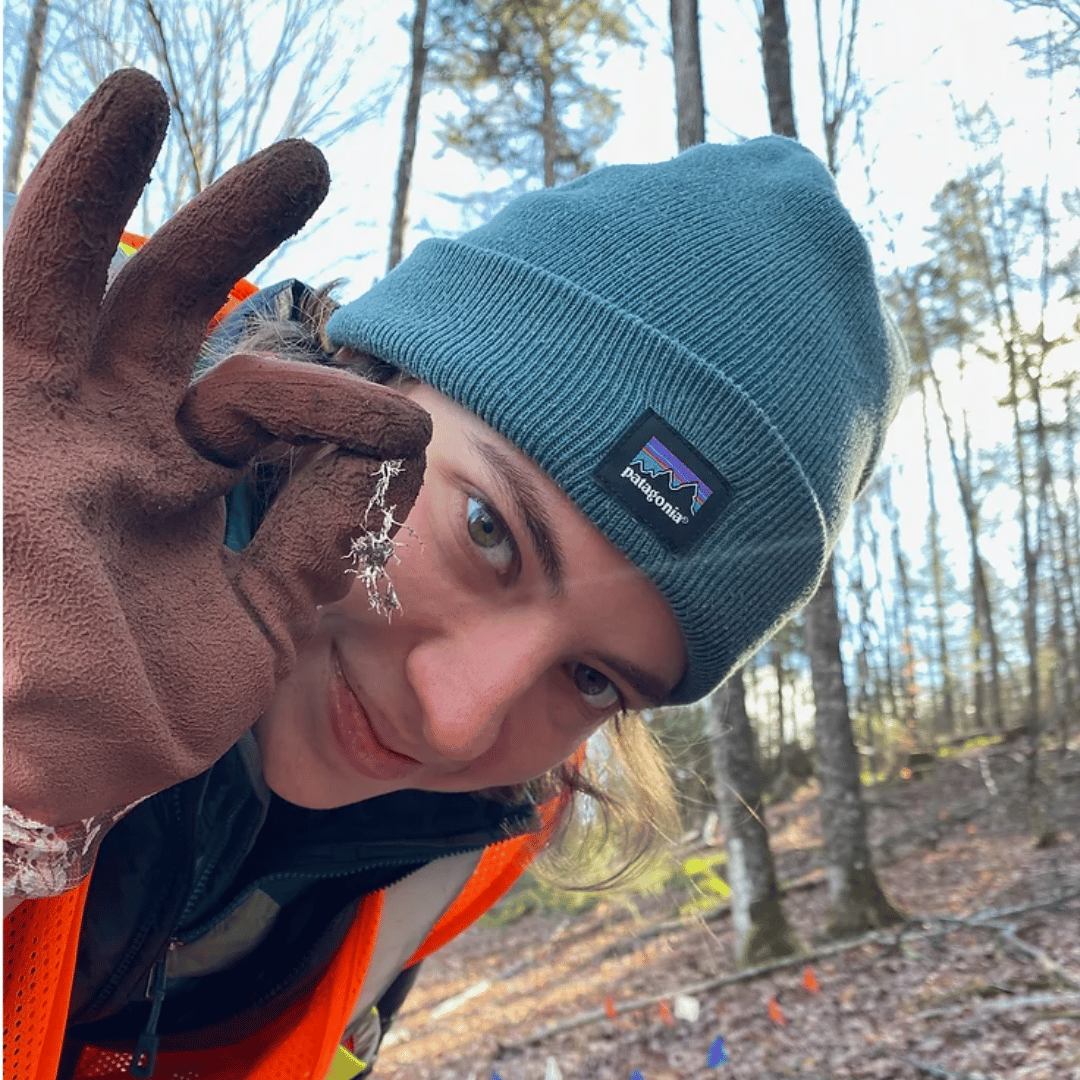
This year, we are excited to welcome Fatemeh Rezaei (left) and Eva Legge (right) as the 2024–25 cohort of Mollie Beattie Visiting Scholars! Mollie Beattie visiting scholars are supported for a one-year term with a $10,000 scholarship to pursue a proposed research project in their field of focus. They also have the chance to connect with relevant SAF Communities of Interest, submit research to an SAF journal, and spend time at our headquarters in Washington, DC to collaborate with staff and partners.
Fatemeh Rezaei is an industrial engineer and postdoctoral researcher from the University of Georgia. Her research focuses on sustainable timber supply chain management, harvest scheduling, and carbon policy analysis to optimize both environmental and economic outcomes. Motivated by efforts to mitigate the impact of climate change, she investigates the expansion of carbon offset programs and the role of carbon pricing in increasing forest carbon storage.
“Using an agent-based model, I simulate the effects of deferred harvesting and carbon pricing on hardwood forests, examining how carbon price fluctuations influence the total net present value (NPV) of timber production and carbon storage,” Dr. Rezaei explains.
Additionally, through mathematical modeling, Rezaei develops sustainable harvest schedules, selecting optimal thinning rates to maximize both timber profit and carbon sequestration. Her findings indicate that higher carbon prices encourage landowners to postpone timber harvesting, leading to greater carbon storage, and that a thinning rate of 40 percent annually produces the highest timber profit and carbon storage.
Eva Legge is a first-year PhD student at Syracuse University in the Department of Biology in Dr. Christopher Fernandez' Mycorrhizal Ecology Lab. Building upon research initiated as an undergraduate, Legge's work aims to bridge the gap between basic mycorrhizal research and climate-adaptive forest management. “Climate change will likely add to the many stressors facing eastern US forests. However, the positive benefits of fungal partnerships with tree roots (i.e. mycorrhizal symbioses) can, in certain contexts, increase a forest’s stress tolerance,” Legge explains.
As foresters develop climate-adaptive silviculture—including those that seek to maintain current species assemblages (i.e., resistance), improve rebound capacity post-disturbance (i.e., resilience), or facilitate transitions to better-adapted forest types (i.e., response)—it is essential to understand the role of mycorrhizal fungi in facilitating these forest responses. This link between forest management, mycorrhizal symbioses, and seedling success is the focus of Legge’s past and future research. Equipped with such understanding, management can be tailored to enhance the myriad benefits mycorrhizae can provide to “future-adapted” seedlings, ultimately boosting the resilience of America’s forests.
Established by the SAF Board of Directors in 2016, the SAF Mollie Beattie Visiting Scholar Program is named after Mollie Beattie, the first woman to head the United States Fish and Wildlife Service. Educated in philosophy and forestry, she inspired, mentored, and dared her friends, colleagues, and young people to be more and do more than they thought possible. To honor her legacy, SAF established this program to foster diversity in the natural resource professions. If you would like to donate to support this program, please visit the SAF Mollie Beattie donation page.